April 1, 2026
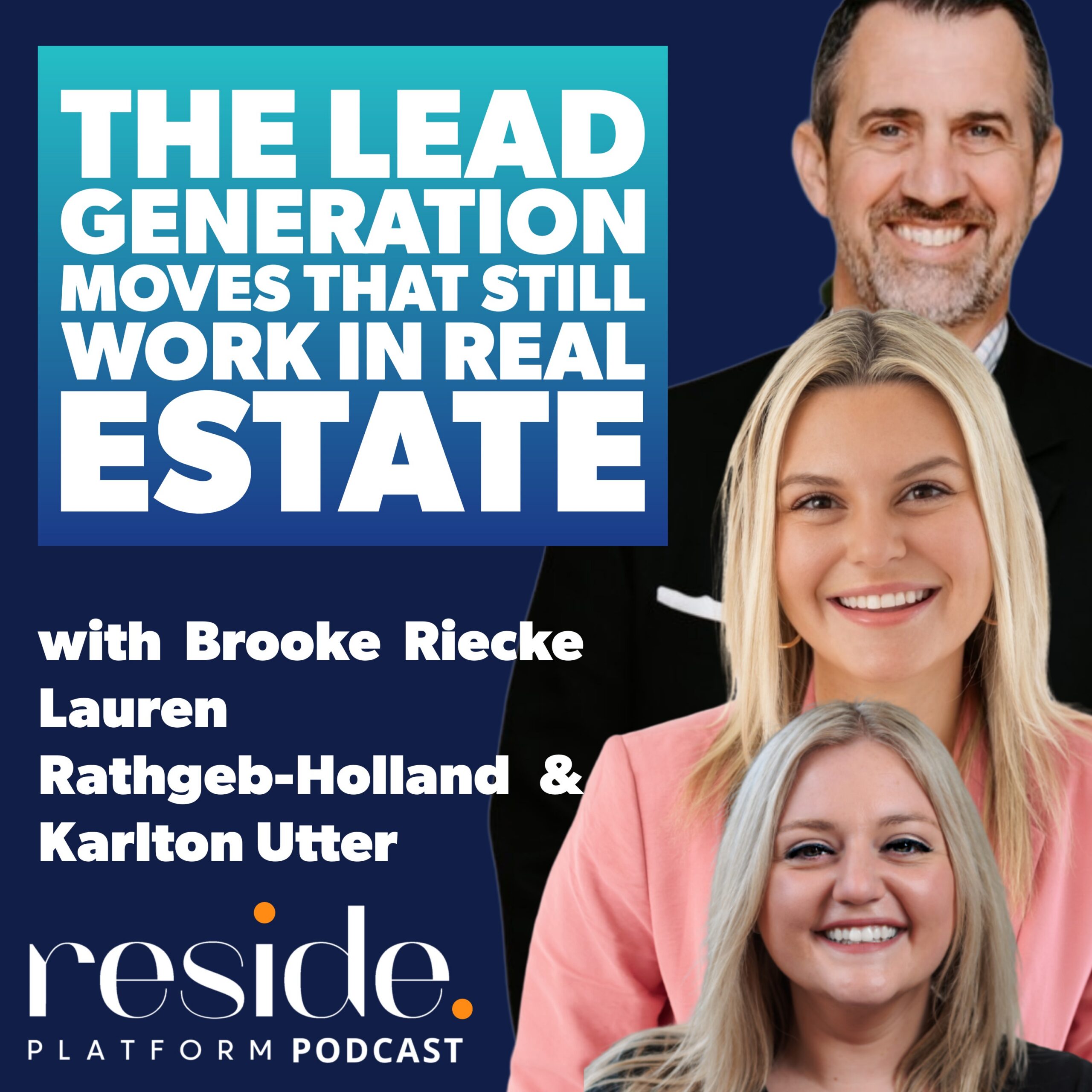
Lauren and Brooke break down why most agents do not need more information, tools, or leads. They need consistency, structure, and accountability. Lauren shares lessons learned from years behind the scenes as an operator, where patterns become obvious: top performers are disciplined, proactive, and intentional. Together, they introduce Lauren’s EARN framework for delivering an unforgettable client experience, then connect it to what actually creates sustainable production: daily conversations, consistent follow-up, and a well-managed CRM. If you are a driven team leader, brokerage owner, or high-performing agent who wants to scale without sacrificing freedom, this episode is a practical reminder that growth comes from doing the right things every day, not chasing the next shiny tactic.
Chapters:
- (00:00:00) Why this agent training had to become a podcast episode
- (00:01:20) The real problem: inconsistency, lack of structure, and avoiding daily action
- (00:01:55) Lauren’s operator background and what it taught about top agents vs. everyone else
- (00:03:30) “You’re not in real estate, you’re in the experience business”
- (00:04:30) How clients remember the process: feelings, clarity, and leadership
- (00:05:20) The EARN framework overview and why you must “earn” trust and referrals
- (00:06:40) E = Engage: winning before the appointment with speed, energy, and first impressions
- (00:07:40) Practical standards: preparation, confidence, and showing up like a professional
- (00:10:40) A = Anticipate: proactive communication that prevents frustration
- (00:11:40) R = Retain: what to do after closing so past clients become future business
- (00:13:10) N = Network: visibility, community presence, and why you cannot be a “secret agent”
- (00:14:50) The math of production: conversations, appointments, closings
- (00:16:30) CRM discipline: “If it’s not in your CRM, it didn’t happen”
- (00:18:10) Reviews and referrals: systems that create the multiplication effect
- (00:19:10) Final takeaway: create a better experience, talk to more people, follow up consistently
Links and Resources:
- Team Leader Secrets by Suneet Agarwal
Thanks so much for joining us this week. Want to subscribe to the Reside Platform Podcast? Have some feedback you’d like to share? Connect with us on Spotify, Apple Podcasts and YouTube to leave us a review!

KEY QUESTIONS ANSWERED —
Read More
Q: What’s the biggest misconception about why agents struggle to grow?
A: Most agents think they need more leads or tools, but the real issue is inconsistency and lack of daily structure. Growth comes from taking the right actions every day, not just gathering more information.
Q: What’s the most important mindset shift for real estate agents?
A: You’re not just in the transaction business—you’re in the experience and relationship business. Clients remember how you made them feel, not the paperwork. Focus on creating a great client experience.
Q: What is the EARN framework for client experience?
A: EARN stands for Engage (win them in the first five minutes), Anticipate (lead, don’t react), Retain (stay in touch after the deal), and Network (build relationships and visibility for referrals). You have to earn the relationship, trust, and referral.
Q: How do top agents “engage” and “anticipate” client needs?
A: Top agents respond quickly, show up confidently, and guide the conversation. They’re proactive—preparing clients and eliminating confusion before it happens, not just reacting to problems.
Q: Why is retention after closing so important?
A: Staying in touch with past clients turns happy clients into repeat and referral business. Don’t disappear after closing—check in, invite them to events, and keep the relationship alive.
Q: How does networking fit into agent growth?
A: Networking is about building relationships and staying visible. Get out in your community, show up on social media, and remind your audience you’re in real estate. Referrals come from consistent, intentional experiences.
Q: What’s the daily standard or habit for agent growth?
A: Track how many people you talk to, follow up with, and add to your database each week. If it’s not in your CRM, it didn’t happen. Consistent action and database management are key.
Q: How do reviews and referrals multiply your business?
A: Reviews build trust, referrals build your pipeline. Top agents create systems for both—consistent follow-up, great experiences, and intentional asks lead to sustainable growth.
THE TRANSCRIPT —
Read More
Brooke: [00:00:00] Alright, you guys, we just wrapped up an all agent training inside of Reside and it was so good that we immediately said that we need to turn this into a podcast right now. So, fresh off this training, Lauren just walked through what actually drives agent growth and honestly, it wasn’t what most people would expect.
Brooke: So today we wanna break it down for you.
Lauren: Yes. And I did not tell Brooke to say that was her own personal opinion. I am really excited. So thank you, Brooke. I’m really glad we can make the time to hop on, because this is something I see every single day working with team leaders, with agents, with even, operators.
Lauren: and I think the biggest misconception in this business is people think that they need more information, they need more tools, they need more leads. And that’s usually not the issue. The real issue is inconsistency, lack of structure, [00:01:00] and not actually doing the right things daily, IE taking action.
Lauren: and so the gap where most agents are and where they wanna be will be is, is actually much simpler than they think once you break it down. So.
Brooke: Absolutely. and before we get into the framework, I really wanna start here because I don’t know if people know this, but you didn’t come up as an agent, so how did you get into this and why do you see things differently now?
Lauren: Yeah, so honestly. I think this is the way that, or this is why I see things in the business the way that I do. I came into the real estate world in 2018. We’ll keep it really servicing level, bullet points. We can get into it all on another podcast. But, I did not come in as an agent. I came in behind the scenes as an operator.
Lauren: I had my hands in transaction coordination, executive assistant work, listing management, recruiting. Meeting prep agent, [00:02:00] accountability, backend systems, team infrastructure. at one point I was, scaling a virtual assistant team,managing and training operators across the country.
Lauren: so, I wasn’t just seeing one perspective or one side of the business. I was living it. I was seeing. Everything. I was, the shiny object or the therapist for the agents or, team leaders. So, over the last, oh gosh, eight years, I’ve sat in a lot of deals to this day. and when you see that many.
Lauren: You start to notice patterns and you see what top agents consistently do, where deals fall, start to fall apart, where clients get frustrated,where teams start to break down a little bit and where agents lose business, that they already earned. And what became really clear to me is this business is not complicated, but it does require some discipline.
Lauren: A lot of discipline, emotional fitness, and the agents who win are not the most talented. They’re the ones that are the most consistent, [00:03:00] accountable, and intentional.
Brooke: Absolutely. And oh, and that’s all true by the way, people I’ve known her, during that time. And I always, brag about Laura when I’m talking with other operations that she was on a team where, what you were up to 20 agents, I believe you’re expanding into another location you were covering.
Brooke: operation services for other teams. You were handling 60 transactions on the team. You name it, you were doing it at the time. and one of the favorite things that you had talked about was you had said that, you’re not in real estate, you are in the experience business. so, and you had just talked about this on the training with the agents, but I would love for you to break that down a little bit more here.
Lauren: Yeah. So one thing that I learned early on and I wrote an little sticky note, and put it on my computer when I was in office, and it was, we are not in the transaction business. We are in the relationship or relational business. So that was my biggest mindset shift, because most agents think their job is, I help people [00:04:00] buy and sell homes.
Lauren: but that’s not actually what the client experience. Is, or what the client experiences themselves, we wanna try to put. Ourselves in their shoes, especially if you’ve bought or sold, your own properties, what that experience was like for you. I know a lot of agents get into the business because they wanted to create a better experience than they had themselves and educate people.
Lauren: So, a lot of the times clients are going to, experience stress, uncertainty, emotion pressure. And what they remember is not the paperwork. I mean, maybe they had to fill out a lot, but they’re not gonna remember it verbatim. the MLS and what that looked like and the logistics they remember, and I’m coming from personal experience.
Lauren: I don’t remember my MLS in the last home we sold. they remember how you made them feel during the last, during that process. So, did you make it easier? Did you make it clearer? Did you make the client feel taken care of? Or [00:05:00] did you disappear, react instead of lead? Leave them with confusion.
Lauren: especially for, I’m like your type A, type B friend. Like if there’s a dish in the sink, I’m not like rushing to clean it, but it will get taken care of. but you know, if we’re in a big emotional transaction, I’m like, okay, what’s next? What do we need to do? Am I on top of it? and that’s what determines whether.
Lauren: They, the client’s going to refer you whether they trust you again and whether they’re gonna talk about you and refer you to all of their friends after the deal.
Brooke: Absolutely. And you had talked about in your training, you talked about the EARN framework. Can you tell us a little bit more about that?
Brooke: Because I feel like that’s where everything really clicked for the people that had heard this previously.
Lauren: Yeah. So, Brooke knows in the last month I’ve been really into naming things. So we,in my role, we created,an operations training that we, are gonna be hosting weekly in April. and so I like acronyms tied to everything.
Lauren: so earn for me is, The [00:06:00] experience, the client experience, the ultimate client experience. And because you have to earn the relationship, the trust and the referral. I always apply things like that. so, we can definitely get into it. What questions do you have?
Brooke: Absolutely. So let’s break down the acronym here, with her.
Brooke: So let’s start with the E, which is for engage. What does that actually mean in the client experience?
Lauren: Yeah. So engage is everything that happens before someone decides to work with you. And this is where most agents don’t realize they could be losing your business, because they think I’ll win them at the appointment.
Lauren: But you don’t, you win them in the first five minutes. so I’m gonna break it down. When a lead comes in, what do most agents do? Most, I’m not saying you. So, accountability is the best form of love. So we’re gonna check ourselves a little bit. they wait, they overthink, they respond later. What do top agents do?
Lauren: They respond immediately. They take control and they guide the conversation. And this isn’t just about speed, it’s how you show up because your client is [00:07:00] asking, can I trust this person before they even meet you? So this is where it’s going to start to get really practical. how you show up privately is how you show up publicly.
Lauren: So I’ve had to check myself, frequently, throughout my life. And so it, it tactically we can apply this to how do you dress? Mm-hmm. Has, is your car clean? Are you prepared? Do you sound confident? I have a little bit of allergies and I feel like that episode of friends when Monica can’t say Fine, it’s fine.
Lauren: That’s, sorry. so anyways, our internal state, so if you have messes everywhere, or your car is just chaotic. That’s gonna show up in your business. And also it’s gonna, like, your first impression is really what matters with these clients. So if you’re running late or your hair’s not brushed, that shirt is something you just threw on and there’s a mustard stain on it.
Lauren: Mm-hmm. you are working from home and you’re in sweats all day. Guilty. I’ve done that before. Yeah. We [00:08:00] wanna make ourselves feel good and so, fake it till you’ll make it. this is where that applies. look good. Feel good. I did this weekend ’cause I was not feeling great. I was like, maybe if I put on some makeup and some real clothes, I’m gonna feel a little bit better.
Lauren: It worked. So just for some people out there. If you’re like, okay, if you take it one thing out of this training today, go take the trash out of your car. Okay? Yes. Fresh your hair. Take care of yourself. Do some self care. That’s what we mean. And if you’re like, Lauren, I have kids. I don’t have time to do this.
Lauren: I’m running around. Keep a hair brush in your car, bring mouthwash with you, whatever you need to do. Don’t wear heavily like heavy smelling colognes, heavy smelling perfumes. Be light, be presentable, your reputation and how you wanna present yourself. So,
Brooke: absolutely, and I think a big piece of that too is tone as well.
Brooke: I mean, there’s a big difference when you first talk to somebody on the phone to even set that appointment when you’re like. Hey, how’s it going? Like kind of have that re type of tone versus like, [00:09:00] Hey, how’s it going? How’s your day? you, they can tell immediately. They can pick up on that energy immediately.
Brooke: it’s
Lauren: energy. It’s powerful. Yeah. Energy is powerful. Like as leaders especially. It is hard to show up every single day, especially when you’re in that season of life where you are trying to show up for, you can’t even show up for yourself. It’s really hard and that’s why I’m saying there’s no judgment in when I was saying how you’re gonna present yourself, your reputation, caring what other people think.
Lauren: I’m not like saying be a people pleaser. That’s not what I’m saying at all. when we’re leading a ton of people, you gotta leave from the front and show up vulnerable. And still get shit done. Sorry, I don’t know if we’re allowed to swear on here. Still get things done,
Brooke: has
Lauren: it
Brooke: say it before,
Lauren: bleep it out.
Lauren: But you know, you gotta get things done. Take action, and no one’s gonna come save you. So.
Brooke: and Lauren and are moms have little children, by the way, so we get it. Yeah. we get that. It’s not always easy to do this, the things that move [00:10:00] things forward, but like Lauren said, those times where it’s almost the times where you need it the most.
Brooke: Right. When you feel like you’re drowning, like you feel like it’s super chaotic, that’s the time where you need it the most to have that self-care and check how you’re presenting yourself and what your energy is like. Mm-hmm. Yeah. But next I wanna really wanna get into the A of earn, which is anticipate, because this one really hit for me.
Brooke: So can you talk a little bit more about, about what anticipate means?
Lauren: Yeah, and this is something that, I hold true to a core value of mine, and this is where you’re going to separate, top agents from the rest. Because most agents operate in terms of something happens and they respond. It’s reactive.
Lauren: We’ve, I’m sure we all have done that in our lives as well. top agent. Or top agents operate like they think ahead, they’re proactive. they prepare the client, they’re going to eliminate confusion before it shows up. And I could get down a rabbit hole on how to do it, but we’re [00:11:00] gonna keep it really concise today.
Lauren: Clients do not get frustrated because something went wrong. they get frustrated because they didn’t know what was happening. So I think I mentioned that in the beginning, anticipating their needs. You don’t need to be your mind reader, but be proactive with your communication. So if your client ever asks, what is happening, you have already lost control of the experience.
Brooke: Yes, absolutely. I mean, put yourself in their shoes or when you bought your first home or what it would be like to buy your first home. and I mean, even, not even just the first, but every time you buy, like, what does that feel like? Imagine the emotions and the, Uncertainty that they have moving forward, and how can you eliminate that?
Brooke: All those common questions that you get from your clients or those pain points. Mm-hmm. How can you remove that friction? but let’s move into R, which is retain, because I think this is where most agents really fall off.
Lauren: Yeah. So we’re talking about retaining clients, [00:12:00] so they, Agents fall off or lose their business, future businesses because they’re working hard, they close, and then they disappear.
Lauren: We’re not talking about retaining your client during the deal. We’re talking about what happens after the deal closes. agents, a lot of the time we’re gonna say, I need more leads. No, we need to stop losing the people who already trusted you as well. leads are always going to be super, super important.
Lauren: And it’s likely an not delete problem because trust me, I’ve had agents nurture their database, for years. And finally I have a success story of an agent after five years, somebody finally reached out to them because they were consistent and said, Hey, I’m ready to sell my house. Now. You just never know what someone’s timeline is.
Lauren: Someone’s seasons of life. But for your current clients, they’re gonna become past clients. So what are you going to do to retain them? And people [00:13:00] don’t remember transactions. They remember how you made them feel.
Brooke: Absolutely. And you’re, it is taken most of that initial hard work out of it with your past clients because they already know, like, and trust you hopefully.
Brooke: Mm-hmm. so you’re taking out that relat initial relationship building phase and you’re just going straight to how you can best support them because you already know them. Yeah. So let’s jump into, in which is network, because I think this is where things can really multiply. We’ve talked about it a little bit, but I’d love to hear her more about what your thoughts are here with network.
Lauren: Yeah. So with your network, this is where your business is gonna become sustainable because now you’re not. Chasing you are building relationships that keep working for you. And referrals do not come from luck. They’re going to come from intentional experience and consistent visibility. So the visibility we’re talking about, is going into social media.
Lauren: Don’t be a secret agent. it is not your friends and family and your [00:14:00] audiences. play, what’s the word I’m looking for? It’s not the responsibility for them to remember that you’re in real estate. You need to be constantly reminding them. So get out in the community. Do go to some local businesses.
Lauren: what’s opening soon like, be the local expert and actually get into your community and be visible.
Brooke: Absolutely. That’s the worst is when you call a family member or a friend. actually my, this happened to my dad, who’s also in real estate. He called his mom
Lauren: Mary Michael,
Brooke: and checked in, and was like, oh, how things going?
Brooke: She’s like, oh, I just sold my house. She’s like, oh, I didn’t realize. Oh
Lauren: my gosh.
Brooke: It’s super visible. because it can happen. and getting into, now we’ve talked about, er I would love for you to get into the part that people don’t really wanna hear, saying the hard things here.
Lauren: Yeah, we love to say the hard things here because John Shep Lack always says accountability is the best form of love you can give someone.
Lauren: I’ve seen the Hermo talk about that as well. [00:15:00] so this is where everything’s gonna get real because you can have the. Best experience in the world, but if you don’t have clients, it’s not gonna matter. So breaking this down, your business is actually simple. Many of the times we overcomplicate everything.
Lauren: I know. I do. And then I’m just like, wait, let’s just like make sure this gets done. your business is simple through conversations, appointments, closings. This is not, motivation. This is math. And the activity here is most agents think that, they need more leads. Again, we’ve talked about this. You don’t go work what’s in the database.
Lauren: We need to be more, we need to execute more. Okay. What’s the next right thing that you need to do to move the needle forward? so our daily standard is that, what you need to know every single day is how many people did you talk to? That day. I mean, all the numbers are gonna add up for the week.
Lauren: How many you followed up with, you’re nurturing that database, and how many people did you add that week? So get out into your co coffee [00:16:00] shops, get out into,what, wherever else in your local community that you really wanna have your niche in, that you really wanna represent and be like, oh, I’m the local expert here.
Lauren: and go meet people and put them and tag them properly in your database.
Brooke: Absolutely. And let’s talk a little bit more about database, because I think that this is gonna be what’s really gonna be solid for the agents, their daily activities. This is what we’re bringing in the systems. so let’s talk about that a little bit as far as getting what your database should be for you.
Lauren: Yeah. So a lot of the time people I’ve worked with will hear me say, if it’s not in your calendar, it doesn’t exist because we’re gonna be really practical on time management. Like, how long does it take you to eat your lunch? How long does it take you to drive from x? Place to why. so to apply this here is if it’s not in your CRM, it didn’t happen.
Lauren: This is where your business leads. And now, before I forget this thought. Don’t use your personal phone number. Use the business [00:17:00] phone number because things happen in technology all the time. Like our cloud, excuse me, doesn’t back up or our phone just gets deleted and then we lose all those notes.
Lauren: You’re an operator, right? As a business owner, an independent contractor, your CRM is where the history of your leads, your business, everything is going to live. So log in every single day. We’ll probably talk about this, but log in every single day, make sure all of your leads that you’re actively working are updated.
Lauren: your CRM is always going to reflect the health of your business. So if it’s messy, your business is probably going to be messy. And I say that with so much love. This is the accountability piece to step into the right action, build your habits, build your discipline, and build your consistency.
Brooke: Absolutely. And we’ll have to do, just remind me, first thought of it. We’ll have to do, an another podcast here soon. A little bit more about yeah, the database piece and the CRM and what daily activity should look like in there [00:18:00] because, there’s just so, mm-hmm. Much gold and so many opportunities within your database.
Brooke: but I do wanna get into one last piece, that you had mentioned a bit is reviews and referrals. because I think this is really where everything’s going to multiply for agents.
Lauren: Yeah, the multiplication effect is real here. So this is where everything is gonna be changing, because we’re not just closing deals, we’re building a business, we’re building a business cadence.
Lauren: So reviews those. Build trust referrals, those build your pipeline. We are already in quarter two people. what you did in the last 30 days is gonna reflect on your next 60 to 90, okay? So if you don’t have anything in the pipeline right now. How are you gonna put food on the table for your family, for yourself, whatever your situation is, get out and go work those leads in your database.
Lauren: Work The old leads, work the leads that no one ever wanted to. Okay. Look at the notes in the section. You don’t get to tell people you’re great. Your reviews get to tell you that for you. top agents do not hope for [00:19:00] referrals. They, build the systems around them. So be proactive, do the right activity, and we’ll leave you with this.
Lauren: if you’re gonna take away anything from today’s chat, we’re gonna keep it really simple. We’re gonna create a better experience, we’re gonna talk to more people, we’re gonna follow up consistently. because success in real estate is not about doing more deals, it’s about becoming the agent that people.
Lauren: Never forget. So, yeah. Brooke, the next, we will probably do a deeper dive on all of this. We really just wanted to touch the top points of everything, and then if you guys all wanna hear more about the frameworks, you let us know and we’ll do that.
Brooke: Absolutely. Absolutely. Well, thank you Lauren, for taking the time today.
Brooke: Mm-hmm. Especially fresh off of that training, just is something that’s so important that we wanted to bring it to a higher, level of audience here. and like Lauren said, we’ll get into and get into some of the deeper frameworks on each of these things. that
Lauren: too.
Brooke: Yes, absolutely. Well, thank you Lauren, [00:20:00] for your time today, and thank you everybody.
Brooke: Thank you in. Thanks for joining the Reside Platform podcast, and we will see you all next time.
Lauren: Yeah. Thanks guys.